Aaron Karr A|ID
Zachor: A Living Memorial for Kherson
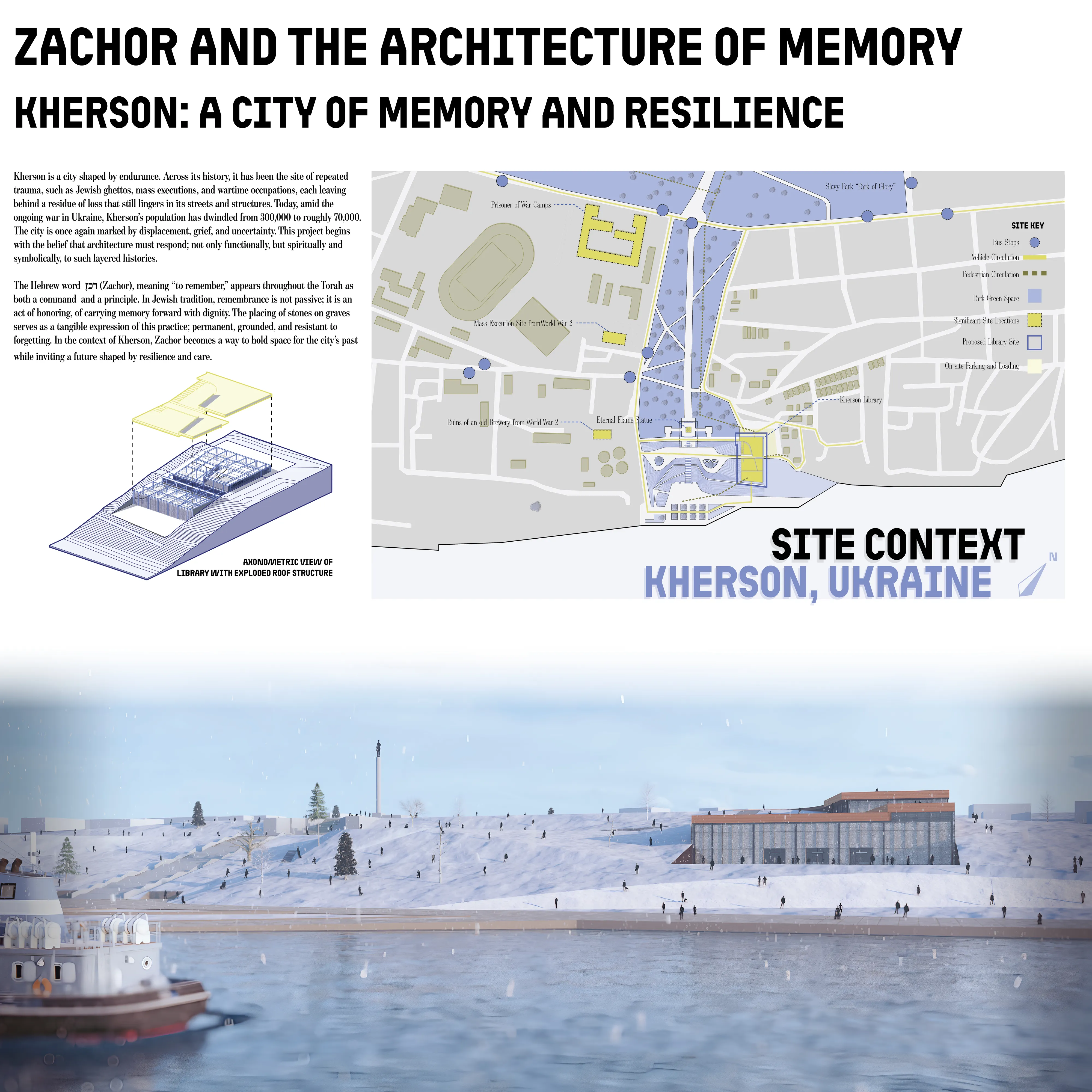
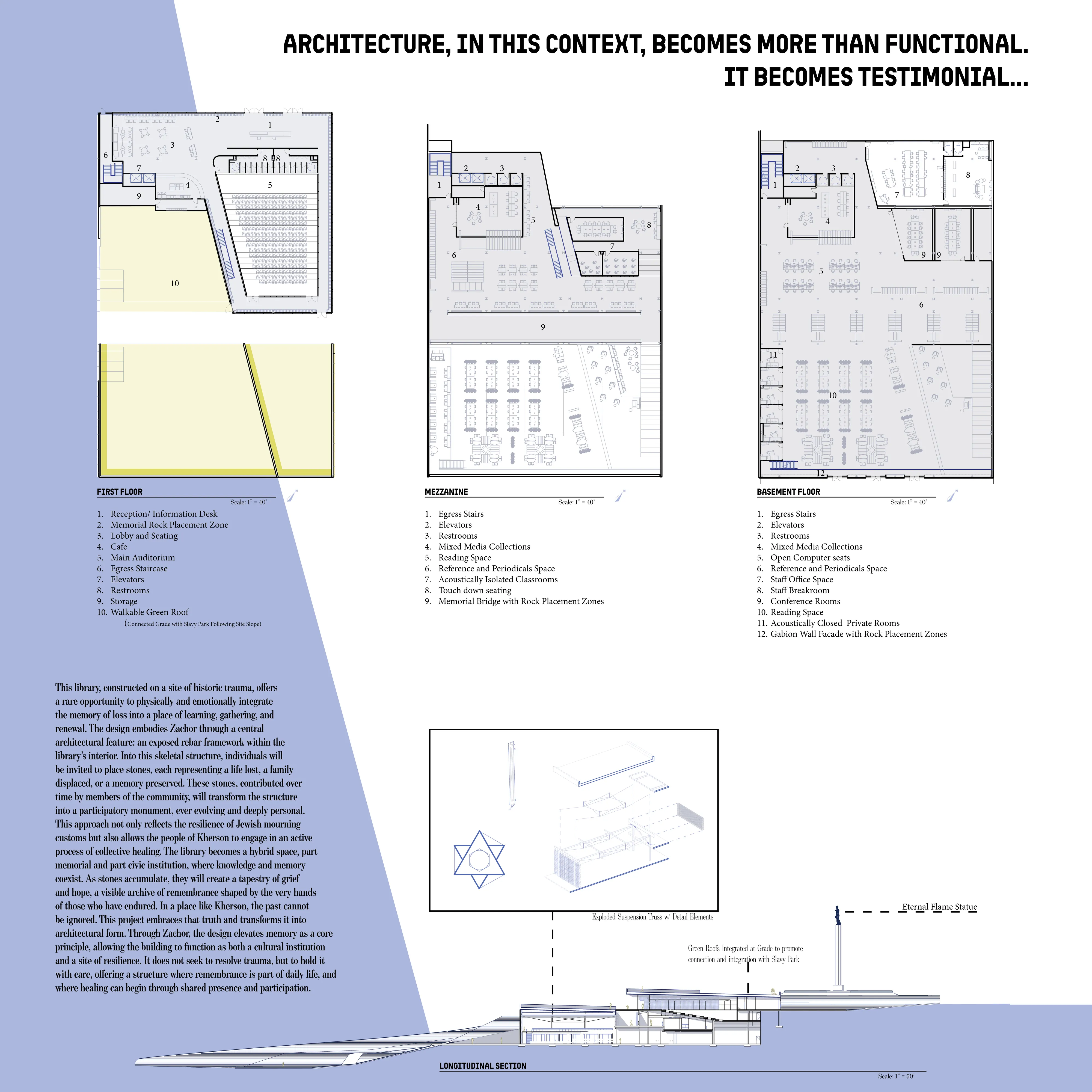
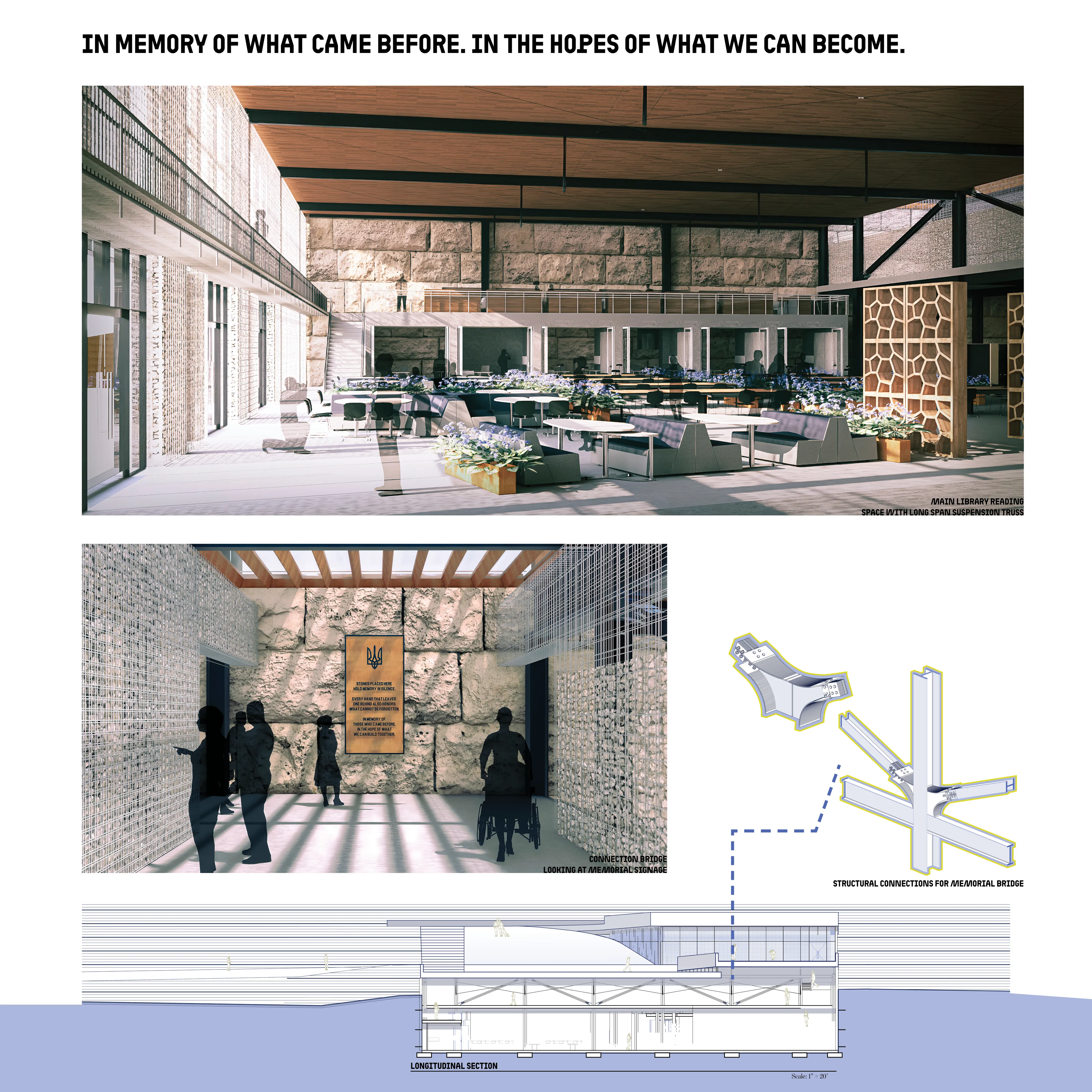
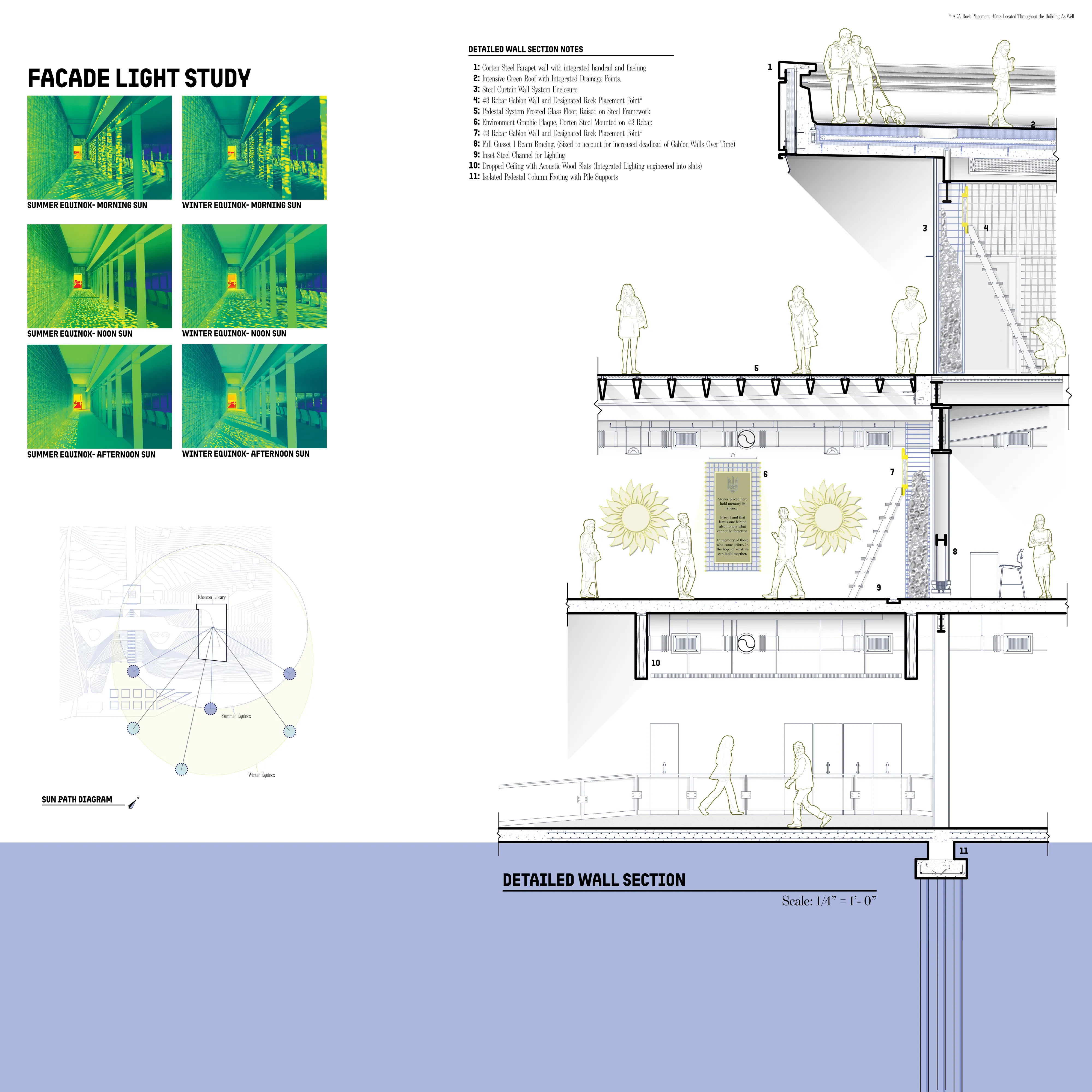
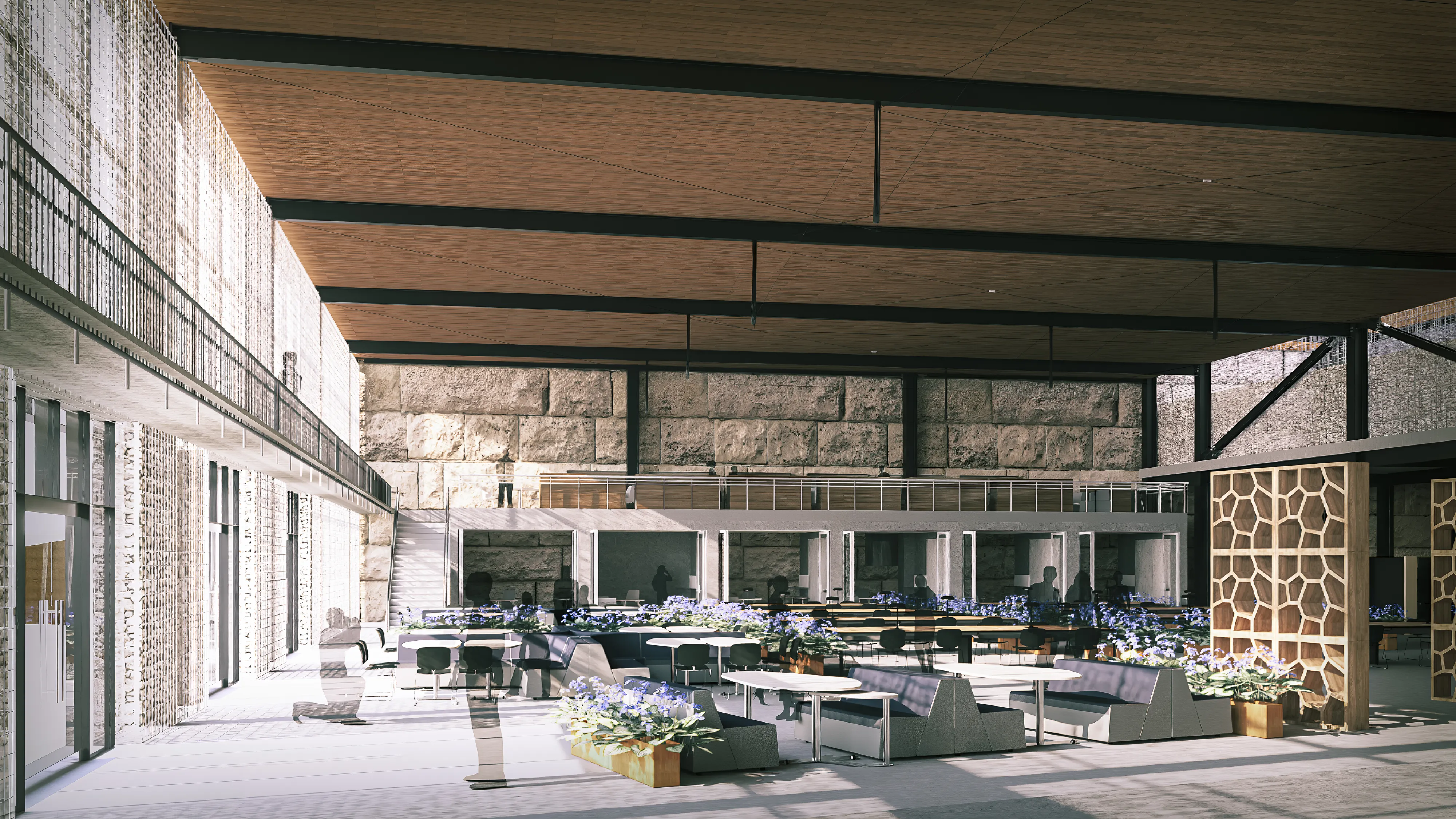
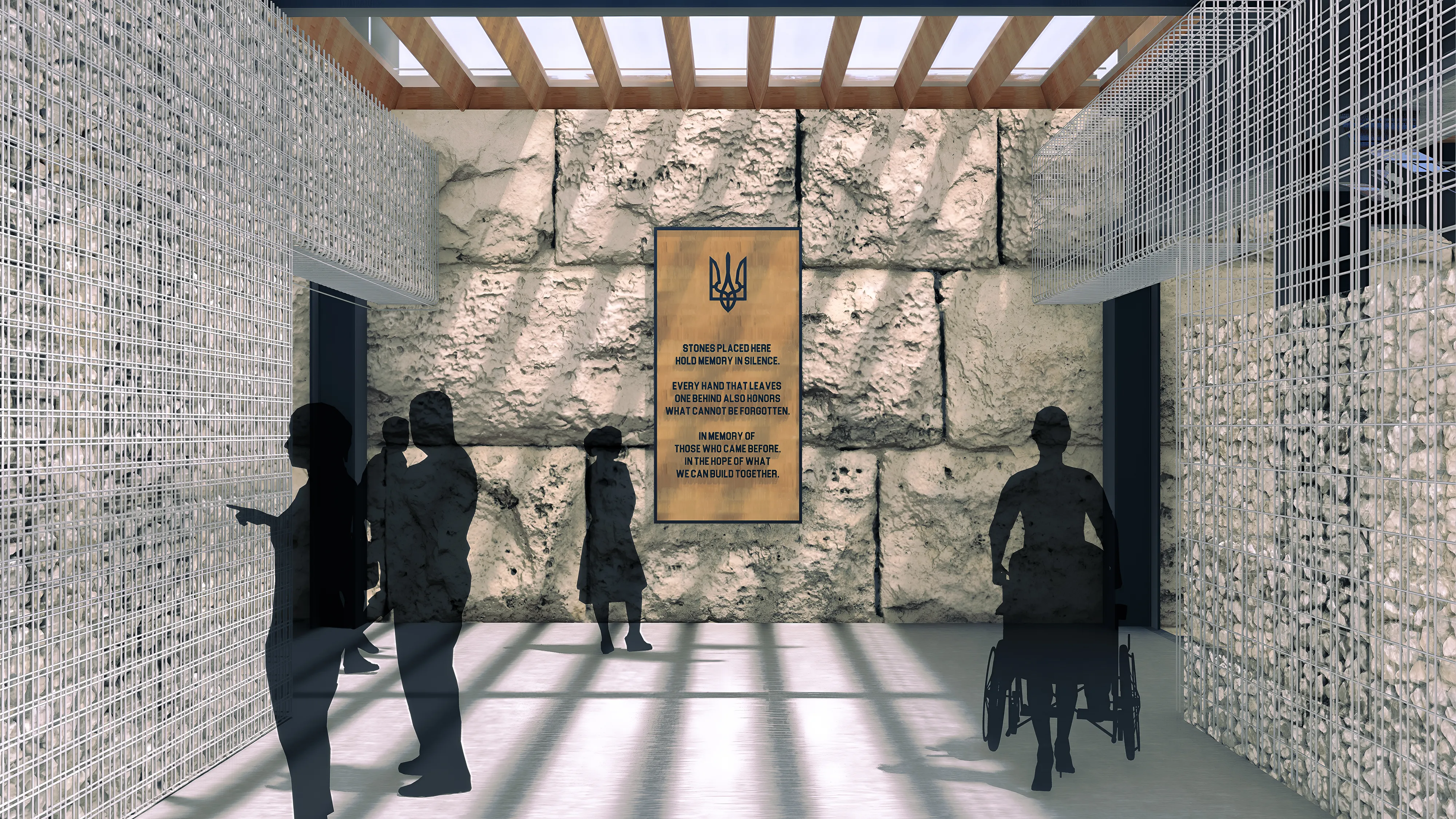
Kherson, a city scarred by invasions, occupations, and mass violence, continues to endure profound trauma; its population is now a fraction of what it was before the ongoing Ukraine-Russia war. Amidst this history of suffering and displacement, architecture is called upon to serve not just function but memory. This library responds to that call. Rooted in the Jewish concept of Zachor (זָכ֕וֹר), meaning "to remember," it offers more than a space for learning. It becomes a living memorial. Zachor is a moral imperative in Jewish tradition, appearing nearly 200 times in the Torah. It compels remembrance not as nostalgia but as resistance against erasure, a sacred duty to carry forward the memory of suffering, survival, and identity. In Jewish mourning, stones are placed on graves to symbolize permanence. This tradition inspires a central design feature: an exposed rebar framework within the library, into which visitors will place stones, each one a memory, a name, a loss. Over time, this structure becomes a participatory monument, shaped by the community and evolving as a collective archive of grief and resilience. Built on a site of historical trauma, the library physically embeds remembrance into its very core. It functions as both a civic institution and a memorial, where knowledge and memory coexist, and where gathering is also honoring. In a city where history repeats through violence and displacement, the need to remember is urgent. This building answers that need. It is not just a library; it is a witness, a balm, and a space for reclamation. It testifies to Kherson’s enduring spirit and to the human capacity for remembrance and renewal.